
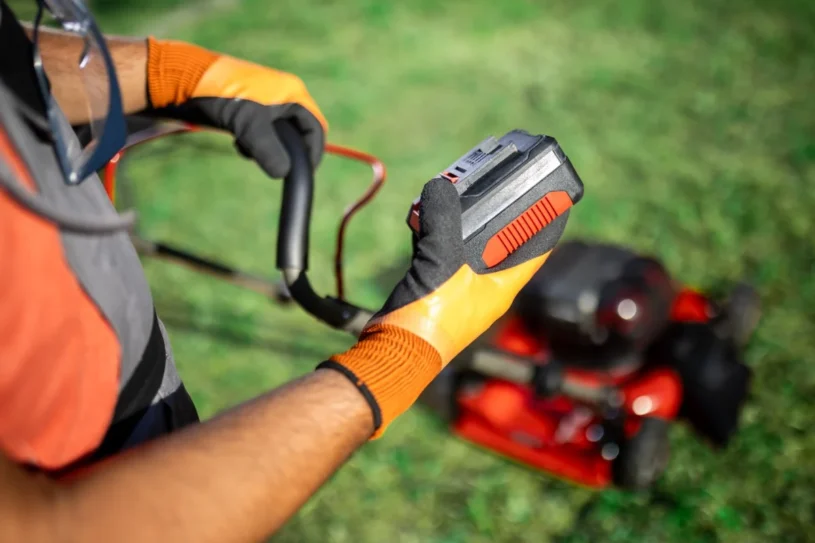
Cordless garden tools have made maintaining gardens much simpler. Without extension leads or petrol engines to deal with, they offer a convenient way to mow lawns, trim hedges and tackle a wide range of outdoor jobs. As more homeowners switch to battery-powered equipment, one question regularly comes up: is it safe to leave the battery charging overnight?
The answer depends on both the battery and the charger being used. Modern cordless garden tools are fitted with lithium-ion batteries that are far more advanced than older rechargeable technologies, but that doesn’t necessarily mean every charging habit is equally beneficial. Understanding how modern charging systems work can help you keep batteries performing well for longer.
How Modern Battery Chargers Work
Today’s lithium-ion chargers are designed to be much smarter than previous generations.
Rather than supplying power continuously, they monitor the battery throughout the charging process. Once the battery reaches full capacity, most genuine chargers automatically reduce or stop the flow of electricity.
This prevents the battery from continually receiving charge after it has become full, helping to protect both performance and battery lifespan.
For many users, this built-in protection provides reassurance when charging takes place over several hours.
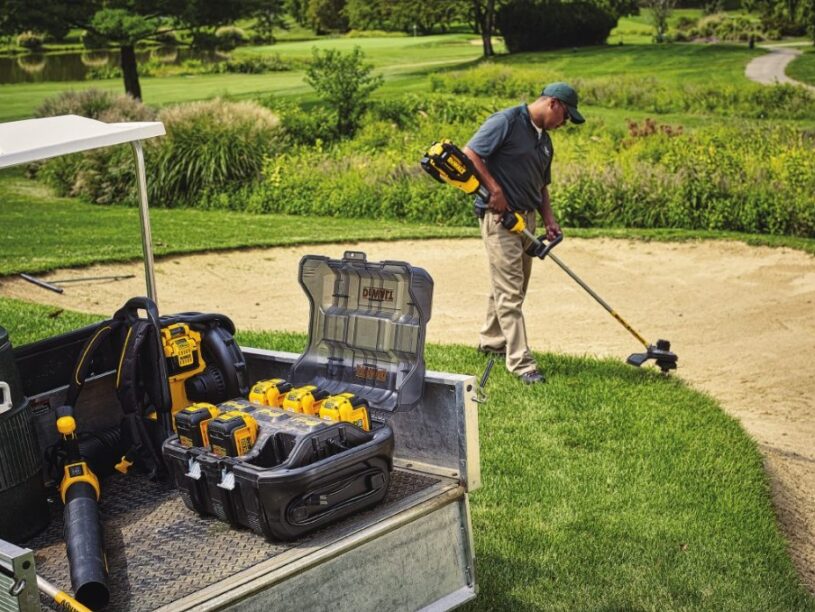
Is Overnight Charging Safe?
In most cases, using the manufacturer’s approved charger means overnight charging is unlikely to damage the battery.
Modern charging systems are specifically designed to prevent overcharging, so leaving the battery connected for a few additional hours after reaching full charge is generally not a problem.
However, that doesn’t necessarily mean it should become routine.
Removing the battery once charging has finished reduces the amount of time the charger remains powered and allows the battery to be stored appropriately before its next use.
Always Use the Correct Charger
One of the most important aspects of battery care is using the charger supplied or recommended by the manufacturer.
Approved chargers are designed specifically for the battery’s voltage, charging characteristics and built-in protection systems. Third-party chargers may not always communicate with the battery in the same way, potentially affecting charging performance or long-term reliability.
Many owners buying replacement chargers or expanding their cordless collection through Garden Machinery Direct choose compatible equipment designed for their existing battery platform, helping ensure safe and efficient charging across multiple garden tools.
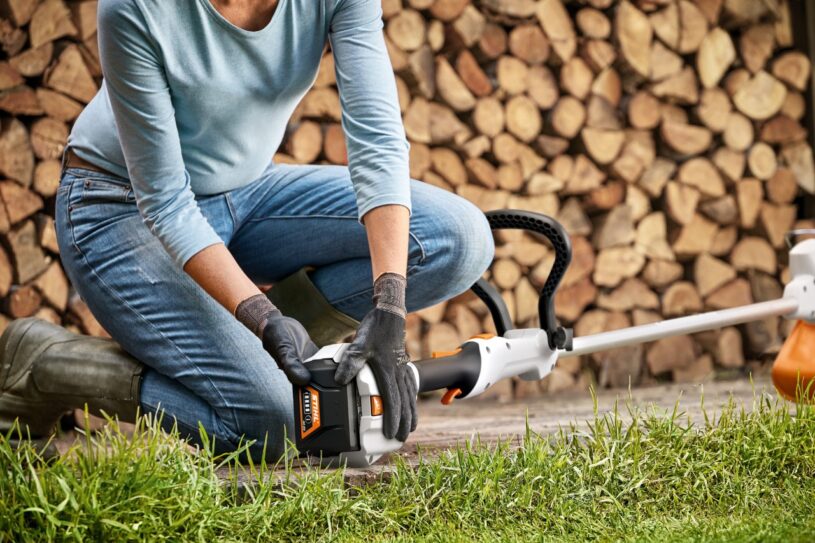
Good Charging Habits
Although overnight charging is usually safe with modern equipment, these habits help maximise battery life:
- Use only the manufacturer’s recommended charger.
- Charge batteries in a cool, dry location.
- Allow a hot battery to cool before charging.
- Disconnect the charger once convenient after charging is complete.
- Keep charging contacts clean and free from dirt.
- Avoid charging batteries in direct sunlight or freezing conditions.
These simple routines help maintain both safety and long-term performance.
Heat Is More Harmful Than Time
Temperature generally has a greater impact on battery health than charging duration.
Charging a battery that has become very hot after prolonged use can place unnecessary stress on the cells. Likewise, charging in extremely high ambient temperatures may reduce long-term battery life.
Allowing the battery to cool naturally before charging is often one of the easiest ways to protect its condition.
Similarly, batteries that have been stored in freezing conditions should be allowed to warm up before charging begins.
Avoid Charging in Unsuitable Locations
Where you charge the battery also matters.
Garages, sheds and workshops are popular charging locations, but they should remain dry, well ventilated and free from excessive heat.
Avoid covering chargers while they are operating, as they require adequate airflow to disperse heat generated during charging.
Positioning the charger on a stable, non-flammable surface also provides an additional level of safety.
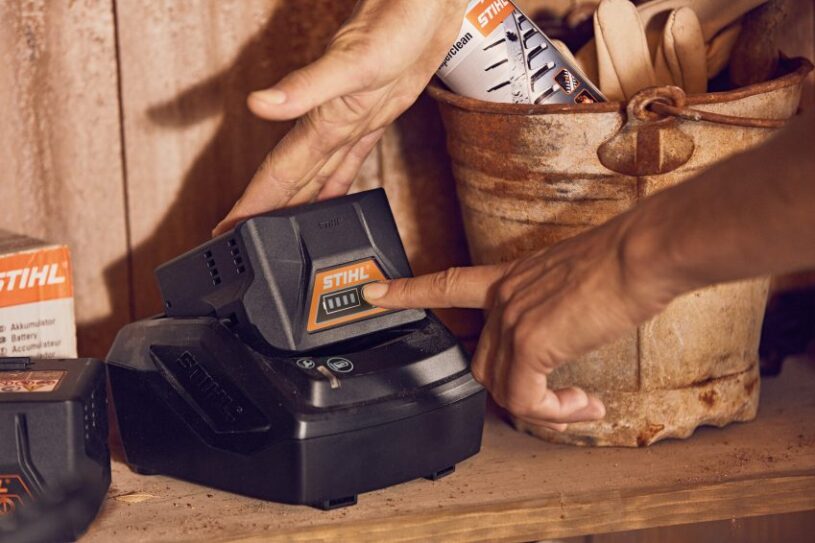
Should You Leave Batteries on the Charger for Days?
Leaving a battery connected for one night is very different from leaving it attached to the charger for several days or weeks.
Although modern chargers are designed to stop active charging once the battery is full, storing batteries on the charger indefinitely is generally unnecessary.
If the battery will not be used for some time, it is usually better to remove it from the charger and store it in accordance with the manufacturer’s recommendations.
Looking After Batteries Between Uses
Charging is only one part of good battery care.
Keeping batteries clean, storing them away from moisture and avoiding unnecessary exposure to extreme temperatures all contribute to extending their useful life.
Regular use, sensible charging habits and appropriate storage often allow lithium-ion batteries to provide reliable service for many years before replacement becomes necessary.
Sensible Charging Helps Batteries Last Longer
For most modern cordless garden tools, overnight charging using the correct charger is perfectly acceptable. Built-in charging technology is specifically designed to prevent overcharging, giving homeowners confidence when charging takes place over several hours.
Even so, developing good charging habits remains worthwhile. Using approved chargers, avoiding excessive heat and storing batteries correctly all help maximise performance while extending battery life. Combined with routine maintenance, these simple steps ensure cordless garden tools remain dependable whenever they’re needed.