
Financing a college education has become one of the most important financial decisions students and families make. In Texas, where higher education opportunities continue to expand, many learners rely on student loans to bridge the gap between their resources and the rising cost of tuition, housing, and supplies. Yet finding the right loan, understanding the fine print, and managing repayment can feel overwhelming if you are approaching the process for the first time.
This comprehensive guide breaks down the world of Texas student loans with clear explanations, practical examples, and a focus on helping you make smart financial choices. Whether you are a high school senior planning for your first semester or an adult learner returning to school, approaching student loans with knowledge and confidence can make all the difference.
Exploring the Landscape of Student Loans in Texas
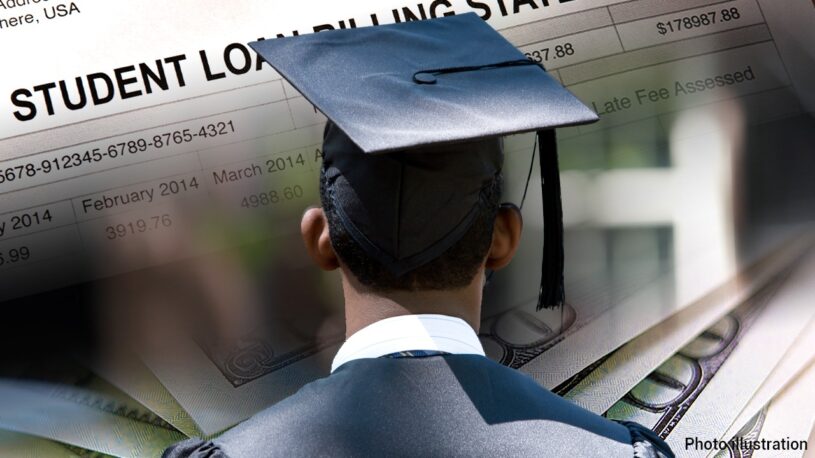
Texas students can access a wide range of loan options, and understanding the differences among them is essential before you borrow. While federal loans remain the most common route for many borrowers, private loans and state-based options can also play meaningful roles depending on your financial needs.
Types of Student Loans Available to Texas Students
Students in Texas typically consider two primary categories when borrowing for school: federal loans and private loans. Both kinds can help you cover essential education costs, yet they differ significantly in terms of interest rates, benefits, and repayment flexibility.
Federal loans are issued through the U.S. Department of Education and are widely preferred because of their favorable borrower protections. These include predictable fixed interest rates, structured repayment plans, and safety nets such as deferment, forbearance, and potential loan forgiveness for qualifying borrowers.
The most common federal loans include Direct Subsidized Loans, Direct Unsubsidized Loans, and Direct PLUS Loans. Each option has its own eligibility rules, loan limits, and advantages, making it important to understand which best fits your situation.
Private student loans, offered through banks and credit unions, can be helpful when federal aid does not cover your full cost of attendance. These loans often require a credit check, and interest rates may be either fixed or variable.
Because private lenders design their own terms, some may offer appealing rates for borrowers with strong credit histories, while others may charge higher rates or have fewer repayment protections. Carefully comparing offers is crucial, since private loans vary widely in structure.
Federal vs. Private Loans: Understanding the Key Differences

The biggest gap between federal and private loans lies in predictability and borrower support. Federal loans feature interest rates set by Congress, which means your rate remains stable throughout repayment. This level of consistency can be comforting, particularly for students who want to plan their long-term financial commitments with accuracy.
Private loans may offer either fixed or variable rates. While some lenders promote low introductory rates, variable rates can rise over time based on economic changes. For some borrowers, this unpredictability can create challenges, especially once repayment begins.
Repayment flexibility is another distinction. Federal loans offer a wide range of repayment plans, including income-driven repayment options designed to adjust monthly payments according to your income level. Private lenders, in contrast, may offer limited repayment structures and fewer protections for borrowers experiencing financial hardship.
The application process also varies. Federal loans require the FAFSA, which determines eligibility not only for loans but also for grants and work-study opportunities. Private loans require a separate application through each lender, often involving a credit check and review of your financial stability. Understanding these differences early on will help you choose the loan that aligns best with your goals.
A Closer Look at the Texas College Access Loan
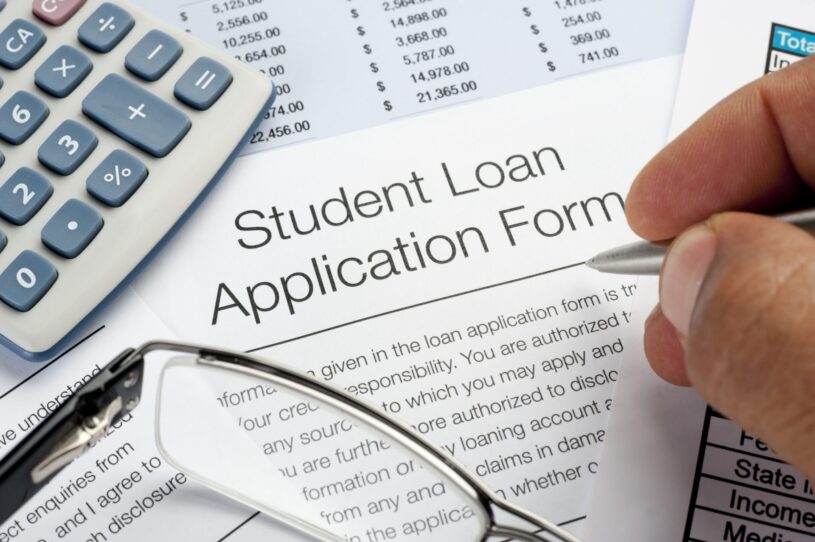
In addition to federal and private loans, Texas offers its own state-backed option for students pursuing higher education. The Texas College Access Loan, commonly known as the CAL program, is designed to help students who need additional funds after exhausting federal aid options.
This program is administered by the Texas Higher Education Coordinating Board and offers competitive interest rates along with borrower-friendly repayment terms. Eligible students must be Texas residents enrolled in participating colleges or universities.
Another advantage of the CAL program is the possibility of deferring payments while in school, which can significantly ease the financial strain during demanding academic periods.
The application process is relatively straightforward. Students provide financial information and complete an online request through the Coordinating Board. Because CAL loans fill the gap between federal aid and remaining expenses, they can be especially useful for students who are close to covering tuition but need a bit more support to succeed academically.
Choosing the Right Loan for Your Academic and Financial Future

Borrowing money for college should be a thoughtful decision rather than a last-minute scramble. Evaluating your financial needs and understanding how loans fit into your broader goals can help ensure you take on manageable debt.
Step One: Assess Your Financial Needs Honestly
Start by calculating your full cost of attendance. Colleges typically provide cost estimates that include tuition, fees, housing, meals, books, supplies, and personal expenses. While these figures are not exact for every student, they offer a helpful baseline.
Next, subtract any financial resources you already have. This includes scholarships, grants, earnings from part-time work, and family contributions. The remaining amount is your funding gap, which represents the portion of your education that may require loans.
Once you know how much you need to borrow, compare different loan types and weigh how interest rates, repayment flexibility, and loan limits fit your situation. While it may be tempting to borrow more than necessary, minimizing your loan amount can make repayment far less stressful in the future.
Step Two: Decode Interest Rates and Terms
Interest rates may seem like small percentages, but they dramatically influence the total cost of your loans. Federal student loans come with fixed rates that remain stable throughout repayment. Staying aware of the current federal rates each year helps you understand what you are committing to.
Private loans operate somewhat differently. Some offer fixed rates, but many offer variable rates tied to market indexes. These rates can change over time, potentially increasing your monthly payments. When reviewing private loan offers, focus not only on the advertised interest rate but also on the APR, which includes fees and represents the true cost of borrowing.
Loan terms also deserve attention. A longer repayment term can reduce your monthly payment but increases the total interest you will pay over the life of the loan. A shorter term can save money overall but requires higher monthly payments. Choosing the right balance requires an honest assessment of your future earning potential and budget.
Step Three: Explore Repayment Plans Before You Borrow
Repayment does not begin until after you leave school, but planning for it early can help you avoid financial stress. Federal student loans offer multiple repayment options, each tailored to different borrower needs.
The Standard Repayment Plan provides predictable fixed payments over ten years. Graduated Repayment starts with smaller payments that increase every two years. Income-driven repayment plans adjust monthly payments based on your income and family size, offering a safety net during low-earning periods.
Private lenders may offer a smaller range of repayment choices, and some may even require payments while you are still in school. Comparing repayment options before signing a loan agreement gives you a clearer picture of what to expect after graduation.
Navigating the Student Loan Application Process

Borrowing responsibly starts with understanding the steps required to secure the right loan.
Preparing the Necessary Financial Documents
Before applying for loans, gather essential documents such as tax returns, Social Security numbers, bank statements, and income records. For the FAFSA, these documents will be used to determine your eligibility for federal aid. Private lending applications may require proof of employment or verification of your credit history.
Staying organized can make the application process smoother and help you avoid missing important deadlines. Keeping copies of your financial documents in a secure, easy-to-access location ensures you are always prepared for future aid applications or renewal requirements.
Understanding the Role of the FAFSA
The FAFSA is the backbone of financial aid for students across the country. Completing it opens the door to federal loans, grants, state-funded aid, and even institutional scholarships. Texas colleges rely heavily on FAFSA data to award financial assistance.
The application typically opens each year on October first, and submitting it early can increase your chances of receiving aid that is awarded on a first come, first served basis. Once processed, you will receive a Student Aid Report summarizing your eligibility. This report is essential for understanding what options are available and how much federal aid you qualify for.
Avoiding Common Mistakes When Applying for Loans

Students often make avoidable mistakes during the borrowing process. One common misstep is overlooking scholarships and grants. These funding sources do not require repayment and can significantly reduce your need for loans.
Another mistake is failing to carefully read loan agreements. Terms like origination fees, interest capitalization, and grace periods can affect your long-term financial health. Take time to fully understand what you are signing and do not hesitate to ask questions.
Finally, students sometimes underestimate the long-term cost of loans. While borrowing may feel like a distant concern during school, interest accumulation can add thousands of dollars to your balance. Paying attention to how much you borrow and how interest works can protect you from unexpected debt later on.
Building a Strong Financial Foundation for Life After Graduation
Borrowing student loans is only one part of the financial journey. Managing those loans after graduation is just as important for maintaining financial stability.
Practical Budgeting Strategies for Borrowers

Creating a realistic budget can help you manage your money more confidently. Start by listing your sources of income, including wages from part-time work or internships. Then list your fixed and variable expenses, such as tuition, rent, groceries, transportation, and textbooks.
Tracking your expenses with a spreadsheet or budgeting app can reveal small habits that add up quickly. Setting aside part of your income as a cushion for unexpected costs can also help you avoid relying on credit cards or additional loans.
By sticking to a thoughtful budget, you put yourself in a stronger position to repay your loans on time and reduce financial stress.
Understanding Loan Forgiveness Opportunities
Some borrowers may qualify for loan forgiveness programs that reduce or eliminate their remaining balance if they work in certain fields. In Texas, opportunities exist for teachers, nurses, military personnel, and professionals in nonprofit or public service roles.
The federal Public Service Loan Forgiveness program, for example, offers forgiveness after 120 qualifying payments for borrowers who work in eligible public service jobs. Teachers working in low income schools may qualify for separate forgiveness programs after five consecutive years of teaching.
Staying informed about these programs and keeping accurate records of qualifying payments can help you take advantage of these opportunities.
Why Financial Literacy Matters for Long-Term Success

Financial literacy is more than understanding numbers. It is about gaining the confidence to make informed decisions that support your long-term goals. For students taking on Texas student loans, this knowledge becomes essential.
Learning how interest works, understanding credit scores, and recognizing the importance of savings can transform your financial future. Many colleges offer workshops, online modules, or one on one counseling to help students strengthen their financial skills. Taking advantage of these resources can make your transition from college to career smoother and less stressful.
Final Thoughts: Empowering Your Education and Your Future
Navigating Texas student loans does not have to be an intimidating process. With the right information, a thoughtful approach to borrowing, and a commitment to managing your finances responsibly, you can access the education you need while protecting your financial well-being. Every step you take toward understanding your loan options, repayment strategies, and financial goals brings you closer to a more secure and empowered future.