
A recent report from the International Health, Racquet and Sportsclub Association noted that many gym members rely on visual guidance during workouts, especially in group training spaces.
Screens showing exercises, timers, or workout instructions reduce confusion and help members stay engaged without constantly asking trainers for help.
That simple change can make a busy training floor run more smoothly.
Many gym owners have started using a TV display system for gyms to improve how instructions and training programs are shared across the facility.
Instead of printed posters or verbal instructions that get lost in a noisy room, digital displays keep workouts visible, organized, and easy to follow.
This guide explains how these systems work, how to set them up properly, and which features actually matter in a real gym environment.
What a Workout TV Display System Actually Does
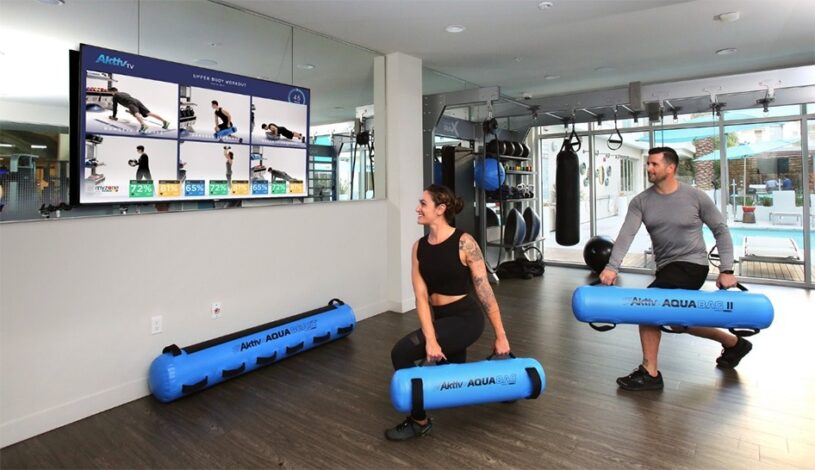
A workout TV display system for gyms is a digital display solution that broadcasts workout instructions, exercise videos, timers, or class schedules on large screens placed around the gym.
In practice, it functions as a communication layer between trainers and members. Trainers can load workout routines into the system and display them during group sessions or open training hours.
One example of a platform designed specifically for this environment is Fit Viz, which provides workout visualization tools for gym displays and trainer dashboards.
Platforms like this help trainers manage workout content and display it clearly on large screens during classes or training blocks.
Typical content shown on these screens includes:
- Exercise demonstrations
- Repetition and set counters
- Circuit timers for interval workouts
- Class schedules or announcements
- Motivational performance stats
The goal is not just visual appeal. The system helps reduce downtime between exercises and keeps members focused on the workout flow.
Key idea: Digital workout displays replace static posters with real time guidance that adapts to each training session.
For gyms that run multiple group classes each day, this level of organization can make the entire training space feel more structured and professional.
The Core Components of a Gym Display System
Before installing a workout TV display system for gyms, it helps to understand what actually powers the setup. These systems are usually built from a few straightforward pieces of hardware and software.
A typical setup includes the following components:
- Display screens – large TVs or commercial monitors placed in visible training areas
• Media player or mini computer – a device connected to the screen that runs the display software
• Content management software – a platform used to upload workouts and schedules
• Network connection – usually WiFi or Ethernet for syncing content across screens
The right combination of these components ensures that workout instructions remain synchronized across multiple displays in the gym.
Step By Step Setup Guide For Gym Owners
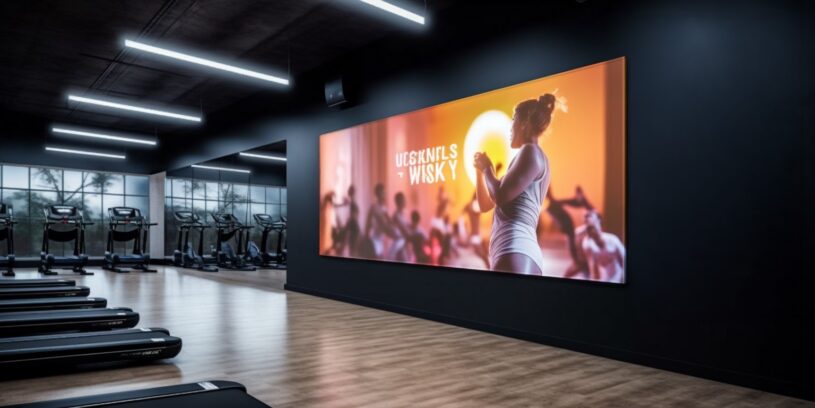
Setting up a workout TV display system for gyms is simpler than many people expect. The process focuses more on layout planning than complicated technical work.
Step 1 Choose screen locations
Start by identifying areas where members naturally look during workouts.
Good placement locations include:
- Group training zones
• Functional training areas
• Cardio sections
• Strength circuit stations
Screens should remain visible without forcing members to turn their heads constantly.
Step 2 Install mounting hardware
Commercial TV wall mounts are typically used to secure displays high enough for visibility but safely out of the way of equipment.
Step 3 Connect the media player
Each screen connects to a small device running the workout display software. This unit controls the content shown on the screen.
Step 4 Configure the content platform
Trainers upload workouts, timers, or class programs through a dashboard interface. Once saved, the content appears automatically on the connected displays.
With proper planning, most gyms complete the full installation within a single day.
Key Features That Make These Systems Valuable
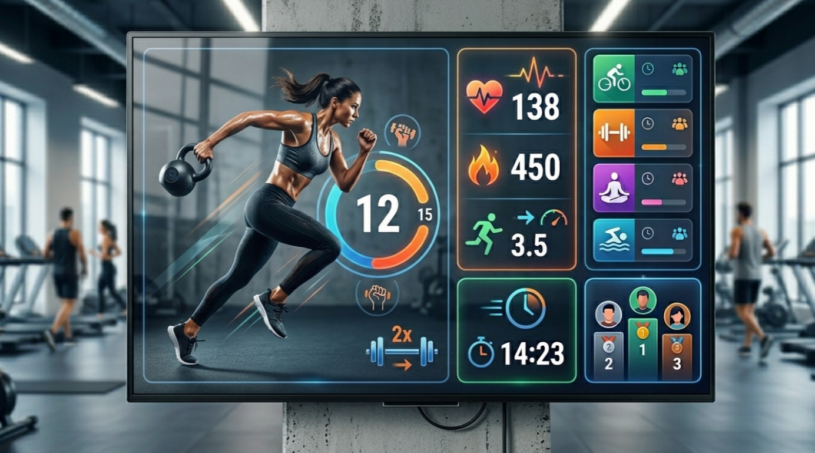
Not every display system offers the same capabilities. Some simply play videos, while others support full workout programming.
When evaluating a workout TV display system for gyms, the following features matter most.
Real time workout guidance
Instead of static instructions, modern systems allow trainers to display dynamic workouts that change during the session.
Examples include:
- countdown timers for HIIT intervals
• exercise rotation prompts
• live workout progress indicators
Members can follow the program visually without constant verbal instructions.
Multi screen synchronization
Large gyms often install multiple displays across different areas.
A good system ensures that:
- all screens show the same workout sequence
• timers stay synchronized
• trainers control content from a single dashboard
This prevents confusion during group workouts.
Content scheduling
Some systems allow trainers to schedule workouts in advance.
That means:
- morning classes automatically display the correct program
• afternoon circuits load without manual changes
• promotional messages appear between workouts
This feature becomes extremely useful in high traffic gyms.
Screen Layout Options For Different Gym Styles
Not every gym uses the same display layout. The design often depends on the training style offered at the facility.
The table below highlights common approaches.
| Gym Type | Screen Placement | Display Content |
| Cross training gyms | Central wall display | Timers and circuit exercises |
| Boutique fitness studios | Multiple small screens | Class routines and cues |
| Large commercial gyms | Screens across zones | Exercise demos and schedules |
| Functional training areas | Overhead monitors | Workout rotations |
After choosing a layout style, the next step is ensuring the content remains readable from a distance.
Large fonts, clear exercise visuals, and simple layouts work best for fast paced workouts.
Practical Tips For Managing Display Content
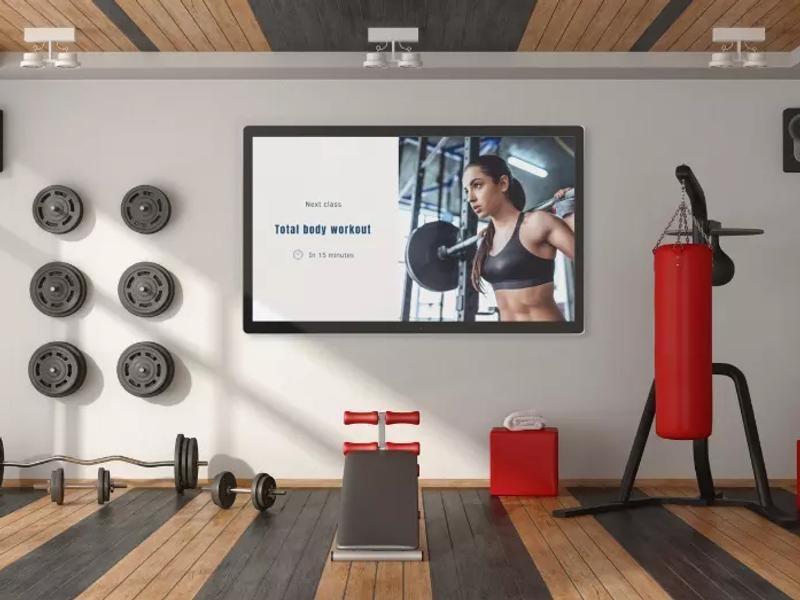
Once installed, a workout TV display system for gyms works best when the content stays organized and updated.
Gym owners often use a few simple habits to keep displays effective.
First, workouts should remain visually simple. Screens packed with too many instructions slow down participants.
Second, trainers should prepare workout programs ahead of time rather than building them during class.
Third, display content should rotate occasionally to prevent visual fatigue among regular members.
Helpful practices include:
- updating workouts weekly
• using short exercise clips rather than long videos
• displaying rest timers clearly
These small adjustments keep screens useful rather than becoming background noise in the gym.
Final Thoughts
Digital workout displays have gradually become a practical tool in modern fitness spaces.
They help trainers communicate workouts clearly and help members stay focused during training sessions.
If used correctly, the system improves workout flow, reduces repeated instructions, and creates a more structured training environment.
For gyms running multiple group classes or circuit training programs, these displays can quietly improve how the entire facility operates.