
Modern garden machinery may look mechanical on the outside, but today’s small engines operate within surprisingly tight tolerances. Carburettors, fuel lines, seals, and even ignition systems are designed with precision that makes them more sensitive than older equipment. That means fuel management is no longer just a basic maintenance task – it is part of keeping your machinery running like a well-calibrated system.
Fuel begins to change chemically from the moment it leaves the pump. Ethanol blends absorb moisture, lighter compounds evaporate, and oxidation slowly alters combustion quality. For small engines without advanced engine management systems, these changes can quickly affect performance. Understanding how often to replace fuel depends not only on the tool but also on how that tool is used and stored.
Lawn Mowers and Fuel Ageing
Lawn mowers are often considered low risk because they are typically used weekly during peak growing months. When fuel cycles regularly through the system, degradation is less of an issue. In this scenario, petrol can remain serviceable for several weeks without noticeable impact. The problem arises when usage patterns shift. If mowing becomes irregular or stops entirely, fuel begins to age inside the tank and carburettor bowl.
From a technical perspective, once petrol has been sitting for around four weeks, particularly ethanol-blended fuel, volatility drops and residue formation begins. At this point, simply topping up with fresh fuel does not restore combustion quality. Replacing the fuel entirely is the safer option. Before winter storage, draining the tank or switching to a more stable fuel significantly reduces spring startup problems.
Two-Stroke Tools ─ Strimmers and Brushcutters
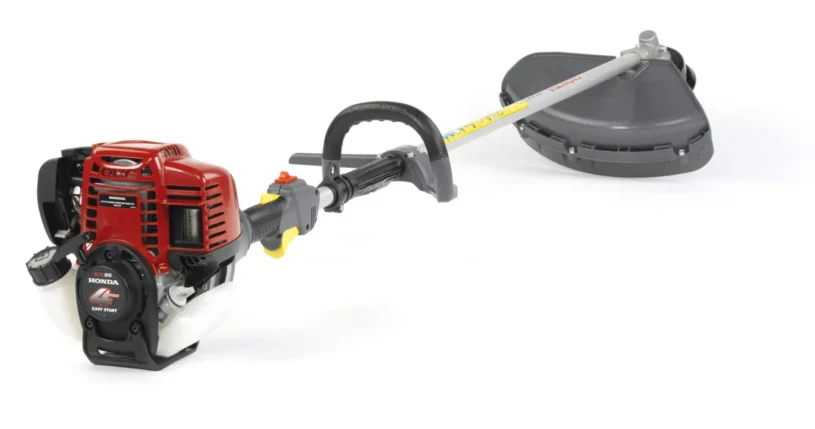
Strimmers and brushcutters present greater challenges because many are two-stroke machines that require petrol-oil mixing. Once fuel is mixed with oil, chemical stability decreases further. Separation, oxidation, and deposit formation accelerate. Ideally, mixed fuel should be used within two to three weeks. Beyond that, ignition efficiency drops and carbon deposits increase.
From a system perspective, stale two-stroke fuel can clog fine jets in carburettors and affect fuel-air ratios. Replacing mixed fuel after three or four weeks of inactivity is far more cost-effective than dealing with cleaning or servicing later.
Chainsaws, Hedge Trimmers, and Leaf Blowers
Chainsaws are even more vulnerable because they are often used unpredictably. A machine might run intensively for a weekend and then sit untouched for months. Standard petrol does not tolerate this pattern well. If fuel has been sitting in a chainsaw for several weeks, replacing it before attempting a start reduces strain on the ignition and fuel systems.
Hedge trimmers and leaf blowers follow similar usage cycles. They may be used heavily during certain seasons and then stored for extended periods. Fuel left in the system during these idle months slowly degrades. Even if the engine initially fires, inconsistent combustion can cause rough running or stalling. From a technical standpoint, degraded fuel leaves varnish-like residues that affect long-term reliability.

Ride-On Mowers and Tank Size Considerations
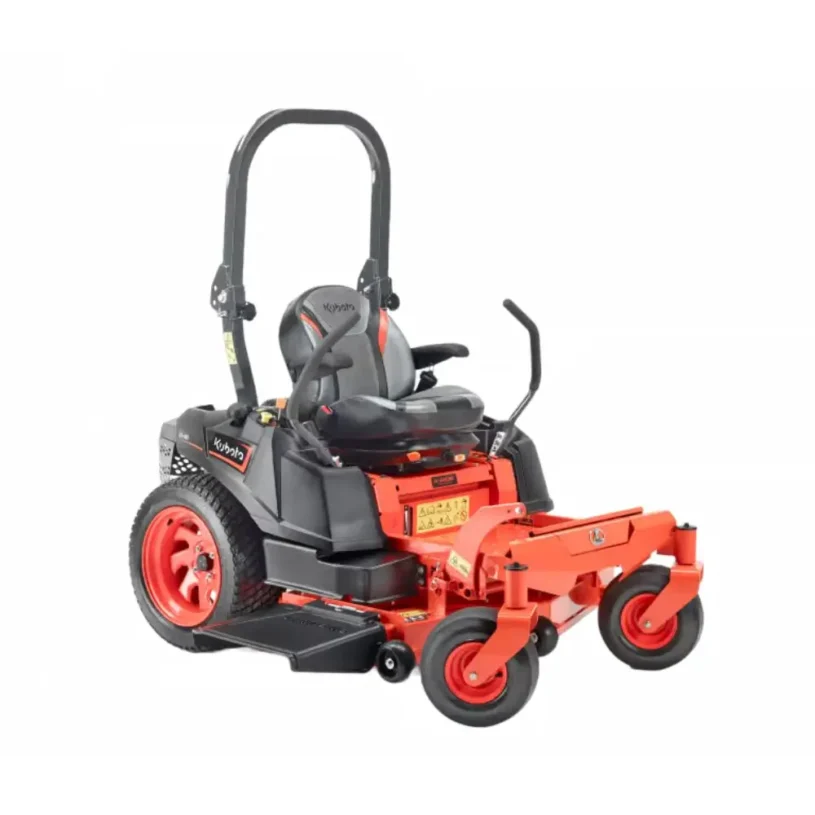
Ride-on mowers introduce a different issue: tank size. Larger fuel tanks mean fuel remains in the system longer, even during regular use. Fuel at the bottom of the tank may be significantly older than fuel added later. This layered ageing increases the risk of uneven combustion. Refreshing fuel every four to six weeks during the active season helps maintain consistency. Before winter, draining or replacing fuel is strongly recommended.
Stored Fuel and Long-Life Alternatives
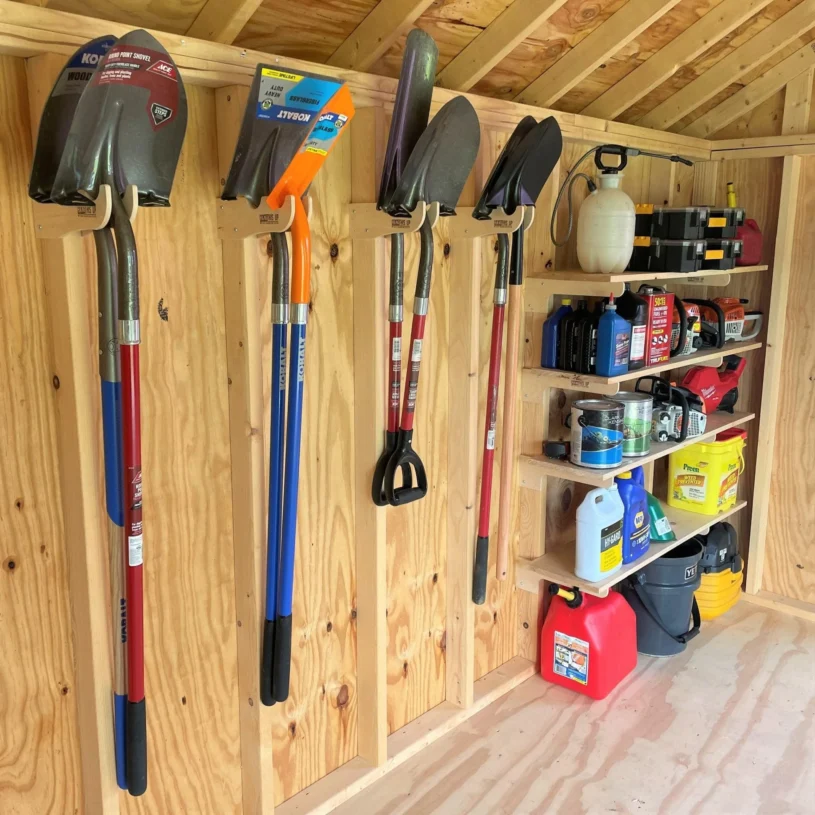
Fuel stored in cans should be treated just as carefully. Exposure to air, temperature fluctuations, and repeated opening accelerates degradation. Standard petrol stored in a container is best used within a month. Adding fresh fuel to old stock does not reverse chemical breakdown; it simply dilutes the problem.
Long-life and alkylate fuels offer a technological solution to this issue. These fuels are refined to remove unstable components, allowing them to remain viable for years rather than weeks. For infrequently used equipment, they significantly reduce maintenance uncertainty. Although more expensive upfront, they lower the risk of carburettor blockages and ignition issues.
Educational resources from suppliers such as Ron Smith increasingly highlight the connection between fuel chemistry and engine reliability. The message is consistent: even the correct fuel becomes problematic if left too long under unsuitable conditions. Conversely, stable fuel reduces variability in performance and protects engine components over time.
Environmental Conditions and Fuel Stabilisers
Environmental conditions also influence degradation speed. Sheds that heat up during the day and cool rapidly at night create condensation cycles inside fuel tanks. Moisture contamination alters combustion efficiency and encourages corrosion. Machines stored in stable, dry conditions experience slower fuel ageing.
Fuel stabilisers can extend usability, but they are not a cure-all. When added to fresh fuel and circulated through the engine, they may slow oxidation and evaporation. However, they cannot reverse chemical breakdown once it has occurred. Realistically, they buy time – they do not eliminate ageing.
Aligning Fuel Replacement with Usage Patterns

Rather than relying on rigid schedules, a more technical approach is to align fuel decisions with expected usage intervals. If a machine will run again within a couple of weeks, fuel is likely fine. If it will sit idle for a month or more, replacement becomes the smarter preventative step.
Modern small engines may not have onboard diagnostics like cars, but they respond quickly to fuel quality changes. Treating fuel as a dynamic component of the engine system rather than a static resource prevents many issues commonly blamed on “unreliable” machinery.
Ultimately, fuel management is about controlling variables. When fuel age matches usage patterns, engines start cleanly, run consistently, and require fewer interventions. In that sense, managing fuel properly is not just maintenance – it is applied mechanical awareness.